


What Laser Skin Resurfacing Treats
- Bisma Jamal
- May 13
- 3 min read

What Laser Skin Resurfacing Treats is a widely searched topic for individuals looking to improve skin texture, tone, and overall clarity through advanced dermatological procedures. Many people researching Laser Skin Resurfacing in Dubai are interested in understanding how this technology works on different skin concerns while exploring safe and effective options such as those offered in professional aesthetic environments like Dynamic Clinic in Dubai.
Laser skin resurfacing is a controlled skin-revitalization method that uses focused light energy to target damaged skin layers and stimulate natural regeneration processes.
Understanding Laser Skin Resurfacing
Laser skin resurfacing is a dermatology-based technique designed to improve the skin’s surface by removing damaged outer layers and encouraging collagen production beneath the skin. It is commonly used for both cosmetic refinement and corrective skin improvement.
The treatment works by delivering precise laser energy to the skin, which creates controlled micro-injuries that activate the body’s healing response. As the skin repairs itself, new cells replace older, uneven, or damaged tissue.
This process supports overall skin renewal without invasive surgical intervention, making it a preferred option for individuals seeking gradual and natural-looking improvements.
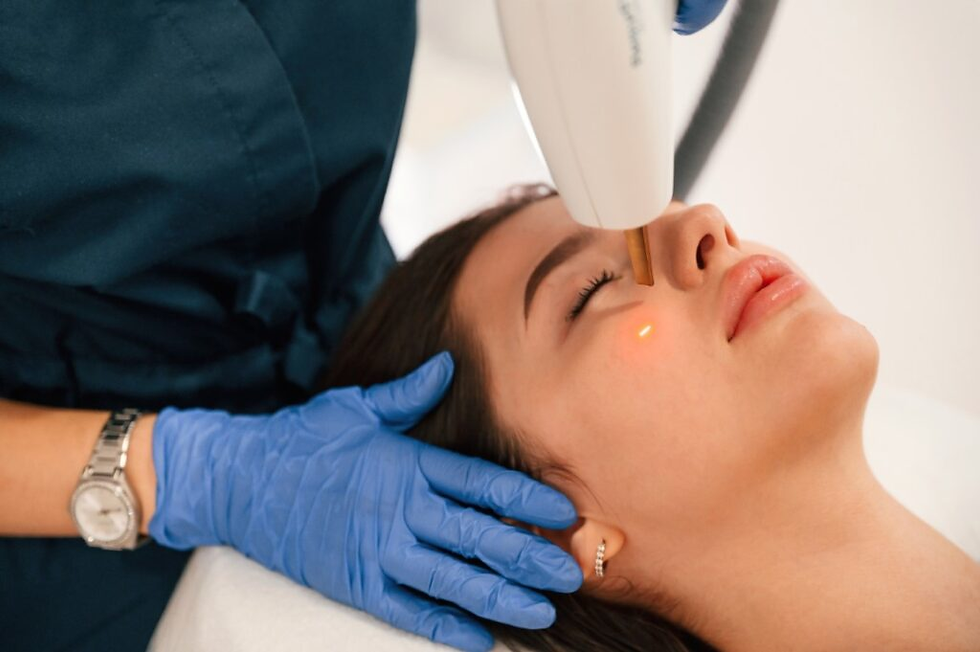
Skin Concerns Treated by Laser Resurfacing
Laser skin resurfacing addresses a wide range of skin concerns that develop due to aging, environmental exposure, or acne-related damage. It is commonly used for:
Fine lines and early wrinkles
Acne scars and post-acne marks
Uneven skin tone and pigmentation irregularities
Sun damage and photoaging effects
Rough or uneven skin texture
Enlarged pores
Mild skin laxity in certain areas
Each of these concerns relates to different layers of skin damage, which is why laser technology is adjusted according to individual skin needs and conditions.
How the Treatment Works on Skin Layers
Laser resurfacing interacts with both the epidermis and dermis layers of the skin. The outer layer is gently removed or refined, while deeper stimulation encourages collagen remodeling.
Key processes involved include:
Controlled removal of damaged skin cells
Heat stimulation in deeper dermal layers
Activation of fibroblasts for collagen production
Gradual replacement of old skin with new tissue
This layered approach is what makes the treatment effective for both surface-level imperfections and deeper structural concerns within the skin.
Common Areas Treated
Laser skin resurfacing is not limited to one part of the body. It is frequently applied to areas where skin damage is more visible or texture irregularities are more pronounced.
Common treatment zones include:
Face (cheeks, forehead, chin)
Around the eyes (fine lines and crow’s feet)
Neck area for texture refinement
Hands for sun-related aging
Acne-prone areas with scarring
Each area may respond differently depending on skin thickness and sensitivity, which is why treatment settings are typically customized.
Who May Benefit from Laser Skin Resurfacing
Individuals considering laser skin resurfacing often fall into categories where skin rejuvenation is needed without surgical procedures. It may be suitable for:
People with early signs of aging
Individuals with acne scars or uneven texture
Those with pigmentation or sun-damaged skin
People seeking overall skin refinement and glow improvement
A proper skin assessment is important to determine suitability, especially for individuals with sensitive or reactive skin types.
Skin Recovery and Response After Treatment
After laser resurfacing, the skin goes through a natural renewal cycle. Initial redness or sensitivity may appear as part of the healing process, followed by gradual skin regeneration.
Typical skin response stages include:
Mild redness or warmth in treated areas
Gradual peeling or flaking of outer skin layers
Formation of new, smoother skin surface
Progressive improvement in tone and texture
During this period, skin protection and hydration play an important role in supporting healing and maintaining results.
FAQs
1. What does laser skin resurfacing primarily treat?
It treats skin texture issues, fine lines, pigmentation, acne scars, and sun damage by resurfacing the outer layer and stimulating collagen beneath the skin.
2. How long does it take to see visible results?
Results typically develop gradually as the skin renews itself over several days to weeks depending on skin response and treatment depth.
3. Is laser skin resurfacing suitable for all skin types?
Suitability depends on skin tone, sensitivity, and condition, which is why a professional assessment is usually required before treatment.
4. Can it improve acne scars permanently?
It can significantly reduce the appearance of acne scars by improving skin texture, though results vary depending on scar depth and skin healing response.
5. Does the treatment only work on the face?
No, it can also be used on the neck, hands, and other areas where skin texture and sun damage are concerns.
Conclusion
Laser skin resurfacing remains a widely used dermatological approach for improving skin clarity, texture, and visible imperfections through controlled skin renewal mechanisms. Its ability to address multiple concerns such as scarring, pigmentation, and fine lines makes it a versatile option within modern aesthetic care practices.


Comments