


What Happens to Skin After Laser Treatments?
- Bisma Jamal
- Aug 6
- 4 min read

What happens to skin after laser treatments depends on the type of laser used, the treatment depth, and the skin concern being addressed. For readers exploring Laser Treatments in Dubai, Dynamic Clinic provides an advertorial reference point, while the skin response itself is best understood through how laser energy interacts with targeted skin structures.
How Skin Responds Immediately After Laser Treatment
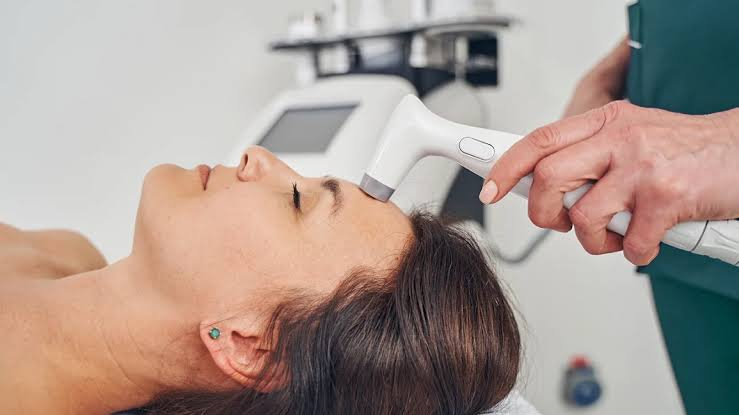
Laser treatment delivers controlled energy to specific areas of the skin. Depending on the technology and treatment purpose, this energy may act mainly on the surface layer, deeper tissue, pigment, blood vessels, hair follicles, or collagen-producing structures.
The skin can respond to this controlled exposure through temporary changes in its appearance and texture. The exact response is influenced by the laser wavelength, energy settings, treatment area, and individual skin characteristics.
Common immediate skin responses may include:
Temporary redness or warmth
Mild sensitivity in the treated area
A feeling of tightness
Temporary changes in skin texture
Increased sensitivity to environmental exposure
These responses reflect the skin’s reaction to treatment rather than a single universal healing pattern.
What Happens to the Outer Skin Layer?
Some laser treatments target the epidermis, which is the outermost layer of the skin. When the surface is intentionally treated, damaged or altered cells can gradually shed as part of the skin renewal process.
This process may make the treated area feel different for a period after treatment. Surface-focused laser procedures may encourage the replacement of older cells with newer skin cells as normal epidermal turnover continues.
Not every laser treatment removes or disrupts the outer layer. Non-ablative approaches can work beneath the surface while leaving much of the epidermis intact, so the visible skin response can differ considerably between treatments.
How Laser Energy Affects Collagen
Certain lasers are designed to deliver energy into deeper skin layers where collagen and other structural components are located. The controlled thermal effect can stimulate a wound-healing response within the targeted tissue.
Collagen is a structural protein that helps support skin firmness and elasticity. Following controlled laser exposure, the body can begin a remodeling process involving collagen production and reorganization.
This is a gradual biological process rather than an immediate change. The way collagen responds can vary according to age, skin condition, treatment settings, and the specific laser technology used.
How Pigment and Blood Vessels May Respond
Some laser treatments specifically target melanin or blood vessels. Melanin is the pigment responsible for much of the skin’s natural color, while certain blood vessels contribute to visible redness or vascular changes.
Laser energy can be absorbed more strongly by these targeted structures when the appropriate wavelength is selected. The treated tissue then undergoes a biological response that allows the body to gradually process the affected material.
This selective targeting is one reason laser technology can be used for different dermatological concerns while focusing energy on particular structures.
How Skin Texture Can Change During Recovery
Skin texture can temporarily feel different after treatment. Surface treatments may produce dryness, flaking, or a rougher sensation as treated cells are shed. Deeper treatments may create changes that are less visible immediately but involve gradual tissue remodeling.
The skin barrier also plays an important role during this period. The outer barrier helps regulate moisture and protects against environmental irritants, so maintaining appropriate post-treatment skin care is an important part of supporting normal recovery.
What Influences the Skin’s Response?
No two people necessarily experience the same response to a laser procedure. Several factors can affect how the skin reacts, including:
Skin type and natural pigmentation
The specific skin concern being treated
Laser wavelength and technology
Treatment intensity and depth
Area of the body being treated
Existing skin sensitivity
Previous cosmetic or dermatological procedures
Individual healing characteristics
For people with darker skin tones, laser selection and treatment settings require particular attention because melanin can also absorb laser energy. A qualified practitioner can assess these factors before treatment.
Why Sun Protection Matters After Laser Treatment
Laser-treated skin can be more sensitive to environmental exposure during the recovery period. Ultraviolet radiation can affect pigmentation and may interfere with the skin’s normal recovery process.
Sun protection is therefore an important part of post-treatment skin care. Following the specific aftercare instructions provided by the treating professional can help protect the treated area while the skin returns to its normal state.
How Long Does Skin Remodeling Continue?
Skin recovery and remodeling do not necessarily occur at the same speed. Surface changes may become noticeable during the early recovery stage, while deeper biological processes can continue for longer.
Collagen remodeling, epidermal renewal, and changes within treated tissue occur according to the individual’s healing response and the type of laser procedure performed. For this reason, the skin should be assessed according to the specific treatment rather than a fixed recovery timeline.
Frequently Asked Questions
Does laser treatment change the skin permanently?
The biological response depends on the type of laser and the tissue targeted. Some procedures produce temporary surface changes, while others are intended to influence longer-term processes such as collagen remodeling.
Does skin peel after laser treatment?
Some surface-based laser procedures can cause peeling or shedding of treated skin cells. However, peeling is not expected with every laser treatment and depends on the technology and treatment depth.
Why does skin become sensitive after laser treatment?
Laser energy creates a controlled response in the treated tissue. This can temporarily affect the skin barrier or stimulate inflammation, making the area more sensitive during recovery.
Can laser treatment affect skin pigmentation?
Laser energy can interact with melanin, so pigmentation changes are an important consideration, particularly for people with naturally darker skin. Appropriate laser selection, settings, and professional assessment are important factors.
Does laser treatment stimulate collagen?
Certain laser procedures can stimulate a wound-healing response in deeper skin layers that supports collagen production and remodeling. The degree of this response varies between treatments and individuals.
Conclusion
After laser treatment, the skin can undergo a series of surface and deeper biological changes depending on the technology used. These may involve epidermal renewal, temporary sensitivity, pigment targeting, vascular responses, or collagen remodeling. Understanding how laser energy interacts with different skin structures helps explain why recovery and visible changes can vary between individuals and treatment types.


Comments