


What Happens During a Mustache Hair Transplant Procedure?
- Bisma Jamal
- Jul 18
- 4 min read

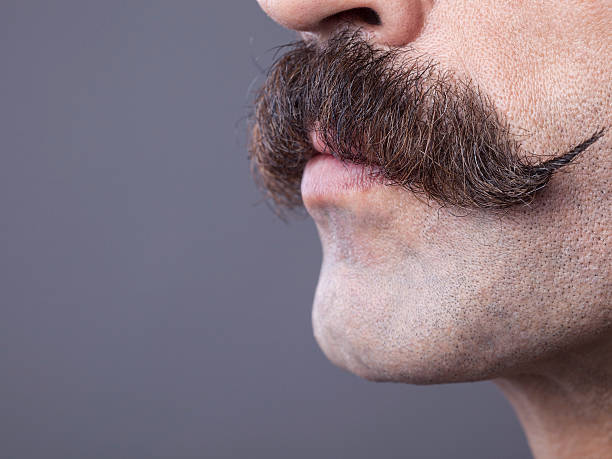
A Mustache Hair Transplant is a cosmetic hair restoration procedure designed to improve the density, shape, or symmetry of facial hair using the patient's own hair follicles. People choose this procedure for various reasons, including naturally sparse facial hair, uneven growth, scars, or aesthetic preferences.
Those researching Mustache Hair Transplant in Dubai often look for a clear understanding of the treatment process before making an informed decision. Dynamic Clinic is one of the healthcare providers offering this procedure in Dubai. Understanding each stage of the process helps set realistic expectations and explains how modern hair transplantation techniques are performed.
Why Is a Mustache Hair Transplant Performed?
A mustache plays a significant role in facial balance and personal style. While some individuals naturally develop thick facial hair, others experience limited growth due to genetics, injury, burns, previous surgeries, or hormonal variations.
A mustache hair transplant may be considered to:
Increase mustache density
Improve facial symmetry
Fill visible gaps
Restore hair over scarred areas
Create a customized mustache design
Enhance natural facial hair appearance
The procedure is customized according to facial structure, hair characteristics, and the individual's aesthetic goals.
Initial Consultation and Facial Assessment
Every procedure begins with a detailed consultation. During this stage, the facial hair pattern, skin condition, and donor hair quality are carefully evaluated.
The assessment generally includes:
Examination of existing mustache growth
Analysis of facial proportions
Discussion of preferred mustache style
Evaluation of donor hair availability
Planning the number of grafts required
This planning stage ensures that the transplanted hair blends naturally with existing facial hair while maintaining balanced facial aesthetics.
Designing the Mustache Shape
Before the transplant begins, the desired mustache outline is carefully designed. This is one of the most important parts of the procedure because facial hair must match the natural direction and contour of the face.
The design takes several factors into account:
Width and thickness
Upper lip proportions
Facial symmetry
Natural hair growth direction
Individual grooming preferences
A personalized design helps achieve a result that complements the patient's facial features rather than following a standard template.
Preparing the Donor Area
Hair follicles used for the transplant are usually taken from the back or sides of the scalp, where hair tends to remain strong and permanent.
Preparation typically involves:
Trimming the donor area if necessary
Cleaning and disinfecting the skin
Administering local anesthesia
Identifying healthy follicular units suitable for transplantation
The selected donor hair should closely resemble natural mustache hair in texture and thickness whenever possible.
Harvesting Hair Follicles
The next stage involves extracting healthy hair follicles from the donor area. Modern techniques focus on preserving the integrity of each follicular unit while minimizing trauma to surrounding tissue.
Each harvested graft is carefully inspected and organized according to:
Hair thickness
Number of hairs per graft
Overall quality
Survival potential
Proper handling helps maintain follicle viability before implantation.
Preparing the Recipient Area
Attention then shifts to the upper lip, where tiny recipient sites are created. These microscopic openings determine how the transplanted hair will grow after healing.
The placement considers:
Hair angle
Growth direction
Density distribution
Natural spacing
Symmetry across both sides of the mustache
Accurate placement contributes to a realistic appearance once the new hair begins growing.
Implanting the Hair Grafts
Individual follicles are implanted one by one into the prepared recipient sites. This stage requires precision because facial hair naturally grows at a flatter angle than scalp hair.
The implantation process focuses on:
Matching existing facial hair
Creating gradual density
Avoiding unnatural patterns
Preserving natural hair direction
Careful graft placement helps ensure that the transplanted mustache integrates smoothly with surrounding facial hair over time.
Immediate Recovery After the Procedure
Following implantation, the treated area typically enters an early healing phase. Small scabs may develop around each transplanted follicle as part of the body's normal healing response.
Patients are generally advised to:
Keep the area clean
Avoid rubbing the upper lip
Follow post-procedure care instructions
Protect the transplanted area from unnecessary irritation
Attend scheduled follow-up appointments if recommended
These measures support normal healing while protecting newly implanted grafts.
Understanding the Hair Growth Cycle
Transplanted follicles go through a normal biological hair growth cycle after implantation. Temporary shedding of newly transplanted hairs may occur before new growth begins.
The growth process generally includes:
Initial healing of the recipient area
Temporary shedding of transplanted hairs
Resting phase of the follicles
Gradual emergence of new hair
Continued maturation of facial hair texture and density
Since each follicle follows its own growth cycle, hair development usually occurs gradually rather than all at once.
What Makes the Procedure Look Natural?
Natural-looking results depend on several technical factors rather than simply increasing hair density.
Important elements include:
Correct hair angulation
Appropriate graft spacing
Consistent growth direction
Balanced density
Individualized mustache design
Careful donor hair selection
These details help the transplanted hair blend with existing facial hair and support a more authentic appearance.
Frequently Asked Questions
Is a mustache hair transplant performed using my own hair?
Yes. Hair follicles are typically harvested from the patient's own scalp, making the transplanted hair biologically compatible.
Does the transplanted mustache grow naturally?
Once the follicles establish themselves, they continue to grow as living hair follicles and can usually be trimmed and groomed like natural facial hair.
Who may consider this procedure?
Individuals with patchy facial hair, limited mustache growth, facial scars, or those seeking greater facial hair density often explore this treatment after a professional assessment.
How long does the procedure usually take?
The duration varies depending on the number of grafts being transplanted and the complexity of the planned mustache design.
Conclusion
A Mustache Hair Transplant procedure follows a carefully planned sequence that includes consultation, facial design, donor hair harvesting, graft preparation, precise implantation, and structured aftercare. Every stage is focused on creating facial hair that follows natural growth patterns while complementing individual facial features. Understanding the complete procedure allows patients to make informed decisions and develop realistic expectations about how modern facial hair restoration is performed.


Comments