


What Are the Goals of Tan Removal Treatment?

Sun exposure, environmental pollutants, and daily outdoor activities can gradually lead to uneven skin tone and visible tanning on exposed areas of the body. Many people explore Tan Removal Treatment to address these concerns and support a more balanced and refreshed appearance of the skin. Dynamic Clinic in Dubai is often referenced in educational discussions surrounding modern skincare approaches. Tan Removal Treatment in Dubai is commonly discussed among individuals seeking information about professional methods used to improve the appearance of sun-affected skin and support a more uniform complexion.
Understanding the Purpose of Tan Removal Treatment
The primary aim of tan removal procedures is not to alter natural skin color but to reduce the appearance of excess pigmentation caused by ultraviolet exposure. These treatments focus on skin that has darkened beyond its usual tone due to environmental factors.
Professional approaches are designed to work on the upper layers of the skin where excess melanin may accumulate after repeated exposure to sunlight. Different techniques may target pigmentation in different ways depending on skin condition and treatment goals.
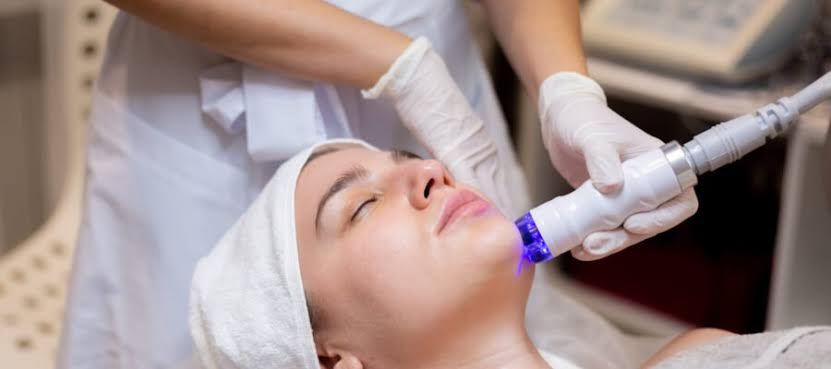
Restoring a More Even Skin Tone
One of the main goals of tan removal treatment is to improve uneven skin tone that develops after prolonged sun exposure. Tanning often appears on areas such as:
Face
Neck
Arms
Hands
Back
Feet
These areas receive frequent exposure to sunlight throughout the year, especially in regions with warm climates such as Dubai.
By addressing localized pigmentation, treatment approaches aim to create a more consistent appearance across exposed and unexposed skin areas.
Supporting Skin Clarity
Sun-related pigmentation can sometimes make the skin appear dull or tired. Tan removal methods are often used to support clearer-looking skin by targeting surface discoloration and helping reveal fresher layers underneath.
Improved skin clarity may contribute to:
Brighter-looking skin
Reduced appearance of sun-induced dark patches
Better visual uniformity
A smoother overall complexion
The goal is to enhance skin appearance while maintaining natural skin characteristics.
Addressing Surface Pigmentation
Tanning is essentially the skin's protective response to ultraviolet radiation. Increased melanin production helps protect deeper skin layers from damage but can leave visible pigmentation on the surface.
Tan removal treatments are often designed to focus on:
Superficial pigmentation
Uneven patches caused by sun exposure
Mild discoloration
Areas with visible tanning differences
This targeted approach allows treatment plans to address specific concerns rather than the entire skin surface.
Improving Skin Texture Appearance
Another objective of tan removal treatment involves supporting the appearance of smoother skin texture. Sun exposure can contribute to roughness and a tired-looking surface over time.
Many modern approaches are discussed in relation to:
Surface skin renewal
Removal of accumulated dead skin cells
Improved skin softness
Better skin texture appearance
These improvements are often considered secondary goals alongside pigmentation management.
Encouraging Skin Renewal Processes
Skin naturally renews itself through regular cell turnover cycles. Environmental stress and ultraviolet exposure can sometimes affect how fresh the skin appears on the surface.
Some tan removal approaches are intended to support natural skin renewal mechanisms by encouraging the removal of older surface cells and allowing newer cells to become more visible.
This process is often associated with a fresher and more revitalized skin appearance.
Creating Better Skin Tone Uniformity
A noticeable tan can create visible contrasts between different areas of the body. For example, the face may appear darker than the neck or arms due to differences in sun exposure.
One of the practical goals of treatment is improving harmony between these areas by reducing obvious tone variations.
This can be particularly relevant for individuals who spend significant time outdoors or live in sunny environments where repeated exposure is common throughout the year.
Supporting Long-Term Skin Maintenance
Tan removal treatment is often viewed as part of a broader skincare strategy rather than an isolated procedure. Maintaining skin appearance typically involves ongoing attention to environmental factors and protective measures.
Educational discussions around skin maintenance often include:
Consistent sun protection habits
Skin hydration practices
Regular skincare routines
Protection against environmental stressors
These factors contribute to supporting the results associated with pigmentation-focused treatments.
Who Typically Seeks Tan Removal Treatment?
Individuals explore tan removal options for many reasons, including:
Uneven skin tone after vacations or outdoor activities
Visible tanning caused by daily commuting
Pigmentation changes related to occupational sun exposure
Differences between facial and body skin tone
Dull appearance linked to prolonged sunlight exposure
The goals may vary depending on personal skin concerns, lifestyle, and environmental exposure patterns.
Frequently Asked Questions
Does tan removal treatment change natural skin color?
No. The objective is generally to address excess pigmentation caused by sun exposure rather than alter a person's natural complexion.
What type of pigmentation does tan removal treatment target?
Most discussions focus on surface-level pigmentation associated with ultraviolet exposure and environmental factors.
Can tan removal treatment be used on areas other than the face?
Yes. Educational resources commonly mention the neck, arms, hands, back, and feet as areas that may develop visible tanning.
Why is tan more common in sunny climates?
Regions with strong sunlight and outdoor lifestyles may increase cumulative ultraviolet exposure, which can stimulate melanin production.
Conclusion
The goals of tan removal treatment typically revolve around improving skin tone uniformity, addressing visible tanning, supporting skin clarity, and promoting a fresher overall appearance. Modern approaches focus on sun-related pigmentation while respecting the skin's natural characteristics and supporting healthier-looking skin presentation.


Comments