


How Pimples Treatment Differs by Skin Type?
- Bisma Jamal
- Apr 24
- 3 min read

Pimples Treatment is not a one-size-fits-all approach, as different skin types respond uniquely to breakouts and care methods. In a dermatology-focused environment like Pimples Treatment in Dubai, tailored strategies are often emphasized to address diverse skin concerns influenced by climate and lifestyle. Clinics such as Dynamic Clinic in Dubai are often mentioned in discussions around personalized skincare approaches within the region.
Why Skin Type Matters in Pimples Treatment
Skin type directly affects how pimples develop, heal, and respond to treatment. Factors such as oil production, sensitivity, and hydration levels determine which methods are suitable.
Different skin types can:
Produce varying amounts of sebum
React differently to active ingredients
Show distinct healing patterns
Understanding these variations helps ensure treatments align with the skin’s natural behavior.
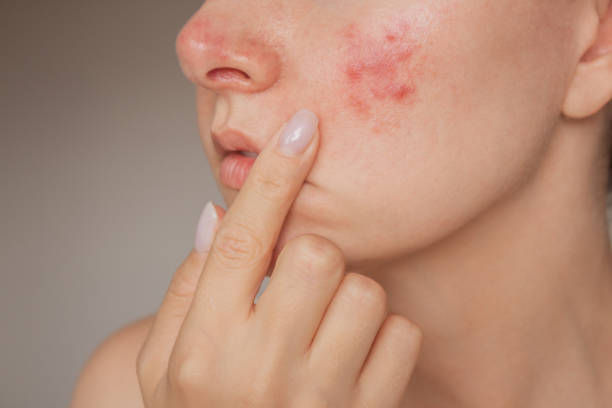
Pimples Treatment for Oily Skin
Oily skin is more prone to clogged pores due to excess sebum production. This often leads to blackheads, whiteheads, and inflammatory acne.
Effective approaches for oily skin include:
Oil-balancing cleansers to reduce excess sebum
Non-comedogenic formulations that prevent pore blockage
Ingredients that help regulate oil production
Lightweight, water-based products are generally preferred to avoid further congestion.
Pimples Treatment for Dry Skin
Dry skin lacks sufficient moisture, which can weaken the skin barrier and lead to irritation during acne treatment.
Key considerations for dry skin:
Gentle formulations that do not strip natural oils
Hydrating components to support skin barrier function
Mild exfoliation to prevent buildup without causing dryness
Balancing hydration with acne control is essential to avoid worsening skin sensitivity.
Pimples Treatment for Combination Skin
Combination skin features both oily and dry areas, typically with an oily T-zone and drier cheeks.
Treatment strategies often include:
Targeted application of products based on skin zones
Balanced formulations that address both oiliness and dryness
Lightweight hydration combined with oil control
This approach ensures each area of the face receives appropriate care without over-treating or under-treating.
Pimples Treatment for Sensitive Skin
Sensitive skin is more reactive and may experience redness, irritation, or inflammation easily.
Important factors for sensitive skin:
Minimal use of harsh or active ingredients
Focus on soothing and calming formulations
Patch testing to prevent adverse reactions
Gentle care helps manage pimples without triggering additional skin concerns.
Pimples Treatment for Normal Skin
Normal skin maintains a balanced level of oil and hydration, making it less prone to severe acne but still susceptible to occasional breakouts.
Typical treatment focus:
Maintaining skin balance with mild cleansing
Preventing clogged pores through regular care
Using lightweight, non-irritating products
Consistency plays a key role in keeping the skin clear and healthy.
Role of Environmental Factors in Dubai
Environmental conditions can influence how pimples develop and how treatments perform. In regions like Dubai, factors such as heat, humidity, and dust exposure can impact skin behavior.
These conditions may:
Increase oil production
Contribute to clogged pores
Affect skin hydration levels
Adjusting treatment methods according to environmental exposure supports better outcomes.
Common Ingredients Used Across Skin Types
While treatments vary, some ingredients are commonly adapted based on skin type:
Salicylic acid: Helps unclog pores, often adjusted in concentration
Niacinamide: Supports oil control and reduces inflammation
Hyaluronic acid: Maintains hydration without clogging pores
Gentle exfoliants: Aid in removing dead skin buildup
The formulation and concentration of these ingredients differ depending on the skin’s needs.
Personalized Approach to Pimples Treatment
A tailored approach ensures that treatment aligns with individual skin characteristics rather than applying a generalized solution.
Key aspects of personalization:
Skin type assessment
Identification of acne triggers
Selection of suitable formulations
This method reflects EEAT principles by prioritizing expertise, accuracy, and user-specific care.
FAQs About Pimples Treatment by Skin Type
What makes pimples treatment different for each skin type?
Each skin type has unique characteristics such as oil levels and sensitivity, which influence how it reacts to treatments and ingredients.
Can oily skin use hydrating products during pimples treatment?
Yes, lightweight hydration is important even for oily skin to maintain balance and prevent overproduction of oil.
Why is gentle care important for sensitive skin with pimples?
Sensitive skin is more prone to irritation, so mild formulations help manage acne without causing additional inflammation.
How does combination skin require a different treatment approach?
Combination skin needs targeted care for different areas, ensuring oily zones are controlled while dry areas remain hydrated.
Does climate affect pimples treatment effectiveness?
Environmental factors like heat and humidity can influence oil production and skin behavior, making adjustments necessary.
Conclusion
Pimples Treatment varies significantly depending on skin type, as each type requires a specific balance of care, ingredients, and techniques. Recognizing these differences allows for more effective and skin-friendly approaches, especially in environments where external factors play a role in skin health


Comments