


How Does Pico Laser Treatment Interact with Skin?
- Bisma Jamal
- Jul 17
- 4 min read

The way modern laser technologies communicate with skin tissue has become an important topic in aesthetic dermatology, particularly for people seeking non-invasive skin solutions. Pico Laser Treatment uses ultra-short bursts of laser energy that interact with the skin differently from traditional thermal lasers by delivering energy in picoseconds rather than relying primarily on heat.
For individuals researching advanced skin technologies, Pico Laser Treatment in Dubai is frequently explored for its ability to work with different skin concerns through highly targeted energy delivery. Dynamic Clinic is one of the names associated with educational resources discussing this evolving technology in Dubai.
Understanding Picosecond Energy
A picosecond is one trillionth of a second. Pico laser systems release energy at extremely high speeds, allowing the laser to create a photoacoustic effect rather than depending mainly on heat generation.
Traditional laser platforms often produce thermal reactions within the skin tissue. Pico technology instead creates rapid pressure waves that interact with microscopic targets inside the skin while reducing surrounding thermal exposure.
This interaction makes the technology suitable for precision-focused treatment approaches involving pigmentation and skin texture concerns.
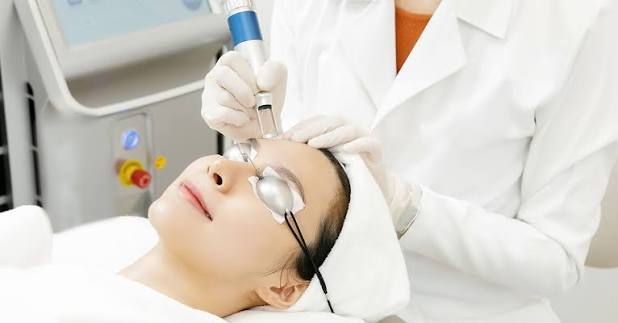
How the Laser Reaches the Skin Layers
Human skin contains several layers, each with unique structures and functions. Pico laser energy travels through the outer surface and reaches selected targets beneath the epidermis.
The interaction process generally involves:
Passing through the skin surface with minimal disruption.
Targeting specific pigment particles or tissue structures.
Creating mechanical pressure waves.
Allowing the body's natural processes to respond to the treated particles.
Because the energy pulses are exceptionally brief, nearby structures receive less unwanted exposure compared with technologies that rely heavily on heat diffusion.
The Role of the Photoacoustic Effect
One of the defining characteristics of pico technology is the photoacoustic effect.
Instead of heating tissue for extended periods, the laser creates tiny mechanical vibrations inside selected targets. These vibrations can break larger pigment clusters into smaller fragments that become easier for the body's natural systems to process.
This mechanism explains why Pico Laser Treatment is often discussed in relation to pigmentation management and skin clarity applications.
The interaction is mechanical as much as it is optical, which distinguishes pico systems from many earlier laser generations.
Interaction with Skin Pigmentation
Melanin acts as the natural pigment responsible for skin color. When concentrated pigment particles are present in specific areas, laser energy can selectively interact with these particles.
The laser wavelength is designed to recognize pigment while limiting interaction with surrounding tissue structures.
Examples of pigment-related targets may include:
Sun-related pigmentation
Uneven skin tone
Freckles
Age-related discoloration
Post-inflammatory pigmentation patterns
Selective targeting is one reason precision laser systems continue to gain attention in aesthetic medicine.
How Skin Texture Responds
Pico laser technology can also influence the skin's structural environment.
When controlled laser energy reaches the deeper layers, the skin may initiate natural remodeling processes involving collagen and elastin activity. These proteins contribute to skin firmness, flexibility, and surface smoothness.
The interaction occurs beneath the visible surface rather than simply affecting the outer layer of skin.
Because skin renewal naturally takes place in cycles, these biological responses continue as part of normal tissue function after laser exposure.
Minimal Surface Disruption
Some skin technologies remove portions of the epidermis as part of the treatment process. Pico laser systems generally focus on internal targets while preserving much of the surrounding surface structure.
This characteristic attracts attention from individuals seeking technologies designed around precision rather than extensive tissue removal.
Reduced surface disruption also explains why pico lasers are frequently categorized among modern skin rejuvenation technologies.
Why Pulse Duration Matters
The speed of energy delivery plays a major role in how skin responds.
Longer pulse durations allow heat to spread more widely through nearby tissue. Picosecond pulses deliver energy before significant heat diffusion occurs.
This timing changes the interaction between laser and skin by emphasizing:
Accuracy
Target selectivity
Controlled energy placement
Reduced thermal spread
Advances in pulse duration technology represent one of the major developments in contemporary laser science.
Skin Types and Laser Interaction
Different skin types contain different levels of melanin, making laser selection an important consideration in aesthetic treatments.
Modern pico systems are designed with multiple wavelengths and settings that allow practitioners to adjust the interaction according to individual skin characteristics.
Factors influencing laser response may include:
Skin tone
Pigment depth
Target location
Tissue density
Existing skin condition
Personalized settings help create a more tailored approach to laser-based skin procedures.
The Science Behind Cellular Response
When microscopic targets absorb laser energy, surrounding skin structures begin responding through natural biological pathways.
Cells involved in tissue repair and renewal become active as part of normal skin function. Researchers continue studying how controlled laser exposure influences collagen signaling and cellular communication pathways.
These responses form part of the reason pico technologies are often discussed in conversations surrounding skin rejuvenation and overall skin quality.
Frequently Asked Questions
Does Pico Laser Treatment rely on heat?
Pico laser technology primarily uses a photoacoustic effect created by extremely short energy pulses rather than depending mainly on thermal energy.
Which layer of skin does Pico Laser Treatment reach?
The laser can interact with targets beneath the skin surface depending on the wavelength and treatment objective.
Does Pico Laser Treatment affect collagen?
Research and clinical use suggest that controlled laser interaction may stimulate processes associated with collagen remodeling.
Why are picosecond pulses important?
Picosecond pulses deliver energy rapidly, allowing targeted interaction while limiting unnecessary heat spread to nearby tissue.
Conclusion
Understanding how Pico Laser Treatment interacts with skin begins with recognizing the importance of picosecond energy delivery, selective targeting, and photoacoustic technology. By working with pigment particles and deeper skin structures through precise energy placement, pico laser systems represent an important development in modern aesthetic dermatology and skin science.


Comments