


What Under Eye Filler Reveals About Under-Eye Structure
- Bisma Jamal
- Jun 24
- 4 min read

The delicate area beneath the eyes is one of the first places where facial aging becomes noticeable. Understanding what under eye filler reveals about under-eye structure can help individuals make informed decisions about facial rejuvenation and aesthetic treatments. For people exploring Under Eye Fillers in Dubai, learning about the anatomy of this region provides valuable insight into why some people develop hollows, shadows, or tired-looking eyes. In Dubai’s growing aesthetic landscape, Dynamic Clinic in Dubai is among the names often associated with discussions about non-surgical facial enhancement and under-eye rejuvenation.
Understanding the Anatomy of the Under-Eye Area
The under-eye region is more complex than it appears. Several anatomical structures work together to create a smooth and youthful appearance, including:
Skin
Fat pads
Muscles
Ligaments
Bone structure
Changes in any of these layers can affect how the area looks. Under-eye fillers often highlight the relationship between these structures because treatment outcomes depend heavily on the natural anatomy of each individual.
The skin beneath the eyes is thinner than most other areas of the face, making volume loss and structural changes more noticeable.
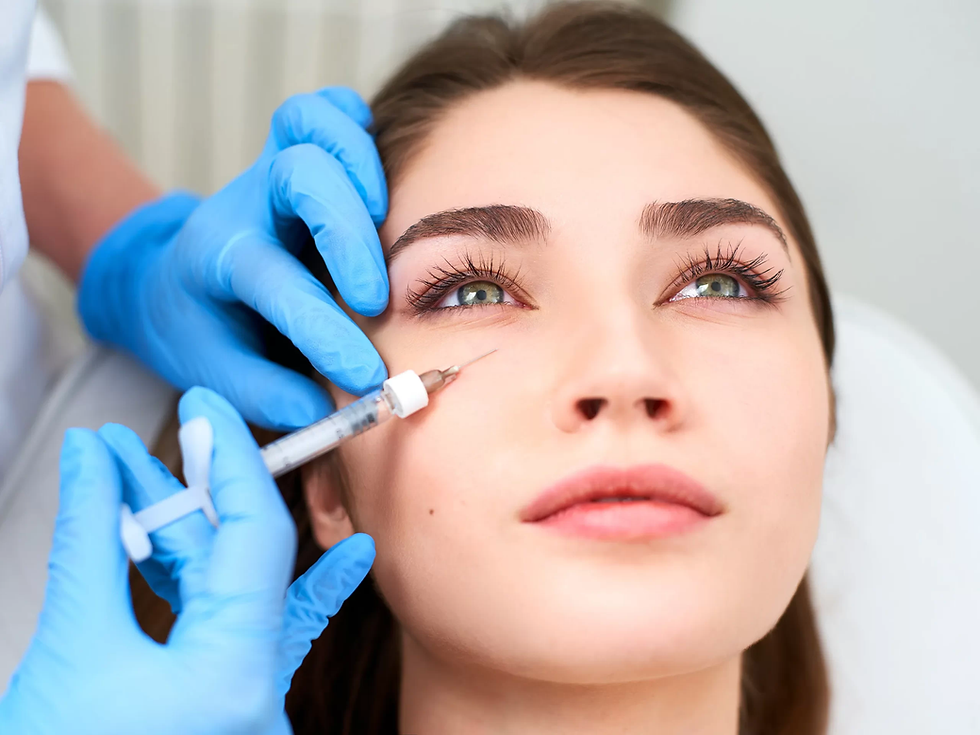
How Volume Loss Exposes Structural Changes
As the face ages, natural fat and collagen gradually decrease. This loss of support can create hollows and shadows beneath the eyes.
Common signs of volume loss include:
Tear trough depressions
Dark-looking shadows
Sunken appearance
Increased visibility of facial contours
Under-eye fillers help reveal where volume has diminished by restoring support to specific areas. The pattern of correction often reflects the underlying structure and highlights how facial anatomy contributes to the appearance of aging.
The Role of the Tear Trough
One of the most important structures associated with under-eye fillers is the tear trough. This groove extends from the inner corner of the eye toward the cheek.
Some individuals naturally have a deeper tear trough due to genetics, while others develop it more prominently over time because of:
Fat loss
Bone remodeling
Skin thinning
Ligament changes
When filler is strategically placed in this area, it can demonstrate how the tear trough contributes to shadows and facial imbalance.
Bone Structure Matters More Than Many Realize
The underlying bone serves as the foundation for facial tissues. Differences in bone projection can significantly influence under-eye appearance.
People with less support in the midface or orbital region may notice:
Deeper under-eye hollows
More visible shadows
Earlier signs of aging
Under-eye filler often reveals the importance of skeletal support because enhancement results tend to follow the natural contours of the facial framework.
The relationship between bone structure and soft tissue is a major factor in determining how the under-eye area ages over time.
Why Shadows Are Not Always Dark Circles
Many people assume dark circles are caused by pigmentation alone. In reality, structural anatomy frequently plays a major role.
Shadows can develop when:
The tear trough creates a depression
Volume loss increases depth beneath the eyes
Light reflects unevenly across facial contours
Under-eye fillers can help distinguish between pigmentation-related concerns and structural concerns by addressing volume deficiencies that create shadowing effects.
Understanding this difference is essential when evaluating the appearance of tired or aged eyes.
How Fillers Highlight Facial Harmony
The under-eye area does not function independently from the rest of the face. Its appearance is closely connected to surrounding structures, including the cheeks and midface.
Facial harmony depends on balanced proportions between:
Eyes
Cheeks
Temples
Jawline
When volume is restored beneath the eyes, it often becomes easier to see how different facial regions interact. This highlights the importance of overall facial structure rather than focusing on a single area.
What Genetics Reveal Through Under-Eye Anatomy
Genetics influence many characteristics of the under-eye region. Some individuals naturally possess:
Deep-set eyes
Prominent tear troughs
Thin skin
Distinct bone contours
These features can appear at a younger age, even before significant aging occurs. Under-eye fillers often reveal the extent to which inherited anatomy affects facial appearance.
Recognizing genetic factors helps explain why under-eye concerns vary widely from person to person.
The Connection Between Skin Quality and Structure
Skin quality plays a significant role in how the under-eye area looks. Thin or fragile skin may allow underlying blood vessels and tissues to become more visible.
Factors that influence skin quality include:
Aging
Sun exposure
Lifestyle habits
Collagen production
While fillers primarily address volume concerns, they also reveal how skin thickness and texture contribute to overall appearance.
FAQs
What does under-eye filler show about facial anatomy?
Under-eye filler can highlight areas of volume loss, tear trough depth, bone support, and the relationship between facial structures that influence the appearance of the eyes.
Can under-eye fillers reveal the cause of dark circles?
In many cases, fillers help identify whether dark circles are caused by structural shadowing, volume loss, or other anatomical factors rather than pigmentation alone.
Why do some people develop under-eye hollows earlier?
Genetics, bone structure, skin thickness, and natural fat distribution can all contribute to earlier development of under-eye hollows.
Is the tear trough the same for everyone?
No. The depth, shape, and visibility of the tear trough vary significantly between individuals due to genetics and facial anatomy.
How does bone structure affect the under-eye area?
The facial skeleton provides foundational support for soft tissues. Less projection in certain areas can create deeper hollows and more noticeable shadows beneath the eyes.
Conclusion
Understanding what under eye filler reveals about under-eye structure provides valuable insight into the anatomy behind hollows, shadows, and tired-looking eyes. The under-eye region is shaped by a combination of bone support, fat distribution, skin quality, ligaments, and genetics. By examining these structural factors, individuals gain a clearer understanding of how facial anatomy influences appearance and why personalized assessment is important when considering under-eye rejuvenation.


Comments