


How Is Pimples Treatment Chosen for Different Acne Types?

Choosing the right pimples treatment starts with understanding what type of acne is present, how severe it is, and what is causing the breakouts. Pimples Treatment in Dubai may involve different approaches depending on whether the skin has clogged pores, inflamed lesions, deep nodules, or lingering acne marks. Dynamic Clinic in Dubai provides an example of a clinical setting where acne concerns can be assessed before treatment is selected.
Why Acne Type Matters Before Treatment
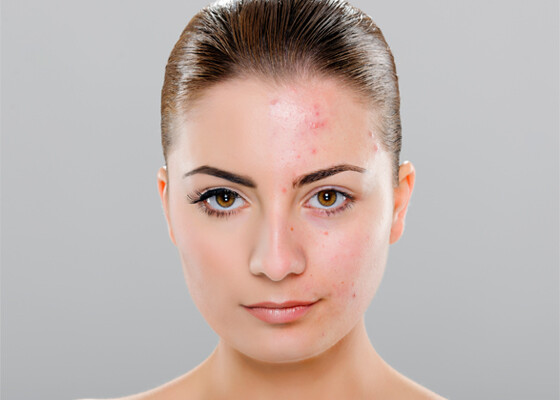
Acne is not a single skin condition with one universal treatment. It can appear as blackheads, whiteheads, red bumps, pus-filled spots, painful nodules, or cyst-like lesions. The location, frequency, inflammation, and persistence of breakouts can also influence the treatment approach.
A proper assessment generally considers:
The type and severity of acne
Whether lesions are inflamed or non-inflammatory
Skin sensitivity and overall condition
Previous acne treatments
Presence of acne scars or pigmentation
Factors that may contribute to recurring breakouts
This classification helps determine whether treatment should focus primarily on unclogging pores, controlling inflammation, reducing excess oil, or addressing more persistent lesions.
Treatment Choices for Comedonal Acne
Comedonal acne includes blackheads and whiteheads, which develop when hair follicles become blocked with oil, dead skin cells, and other debris. These lesions are usually not intensely inflamed but can become more noticeable when pores remain congested.
Treatment for this type of acne may focus on ingredients or procedures that help keep follicles clear. Depending on the individual's skin, a healthcare professional may recommend topical retinoid-based treatments, exfoliating ingredients such as salicylic acid, or other clinically appropriate options.
The objective is to reduce clogged pores while supporting consistent skin-cell turnover without unnecessarily irritating the skin.
How Inflammatory Acne Is Managed
Inflammatory acne typically appears as papules and pustules. Papules are raised, red bumps without visible pus, while pustules contain pus and may have a white or yellow centre.
Because inflammation is more prominent, treatment may be selected to address both follicular blockage and inflammatory activity. Depending on severity, a professional may consider topical therapies, antimicrobial approaches, retinoid-based medication, or other dermatologist-directed treatments.
Skin tolerance is particularly important when selecting an approach because excessive irritation can make redness and discomfort more noticeable.
When Acne Becomes Deep or Severe
Nodular or cyst-like acne involves deeper inflammation within the skin and may produce larger, painful lesions. This form can have a greater risk of persistent marks and scarring, making professional evaluation especially important.
Treatment selection for severe acne may require prescription-based approaches rather than relying only on over-the-counter skincare. A dermatologist may assess the number and depth of lesions, previous treatment response, and risk of scarring before deciding on an appropriate plan.
Trying to squeeze or repeatedly manipulate deep lesions can also increase tissue injury and contribute to post-acne marks.
What About Acne on the Cheeks?
Cheek acne can involve several lesion types at the same time. Some people may have blocked pores, while others experience inflammatory pimples or recurring breakouts in the same area.
Assessment may therefore look beyond the location itself. Skincare products, cosmetics, friction, shaving, environmental exposure, and individual skin characteristics can all be relevant when determining why breakouts occur.
Rather than treating every cheek pimple in the same way, the treatment plan can be adjusted according to the underlying acne pattern.
Treatment May Change as Acne Changes
Acne can evolve over time. Someone who initially has mostly blackheads may later develop inflammatory lesions, while another person may experience occasional breakouts followed by persistent pigmentation.
For this reason, acne management may involve different stages, such as:
Identifying the predominant acne type.
Assessing its severity and recurrence.
Selecting treatment according to the skin's needs.
Monitoring how the skin responds.
Adjusting the approach when the acne pattern changes.
This individualized process is particularly relevant for persistent acne that does not respond adequately to an initial treatment approach.
How Are Acne Marks Considered?
Treatment decisions can also account for what remains after active acne. Post-inflammatory hyperpigmentation, redness, and acne scars are different concerns and may require different management strategies.
In many cases, controlling active acne is addressed before procedures or treatments specifically intended for residual marks are considered. This distinction helps prevent the treatment plan from focusing only on visible discoloration while ongoing breakouts remain active.
Frequently Asked Questions
Can the Same Treatment Work for Every Type of Acne?
No. Blackheads, whiteheads, inflammatory pimples, and deep nodules have different characteristics, so treatment is generally selected according to the type and severity of acne.
How Is Pimples Treatment Selected?
A professional may evaluate the acne pattern, inflammation, severity, skin condition, previous treatment history, and risk of scarring before recommending an appropriate approach.
Does Severe Acne Need Professional Assessment?
Deep, painful, persistent, or scarring acne should be assessed by a qualified healthcare professional because it may require prescription treatment and closer monitoring.
Can Acne Treatment Also Address Acne Marks?
Active acne and post-acne marks are separate concerns. Treatment may be planned in stages, with management of ongoing breakouts considered before addressing residual pigmentation or scarring.
Conclusion
Pimples treatment is chosen according to the characteristics of the acne rather than simply the number of visible spots. Comedonal acne may require an approach focused on blocked pores, inflammatory acne may need inflammation-focused management, and deeper forms can require professional or prescription-based care. Understanding the acne type, severity, skin condition, and likelihood of scarring allows treatment to be selected more appropriately for each individual.


Comments