


How Does Skin Tightening Treatment Work?

Skin laxity can develop as collagen, elastin, and other structural components of the skin gradually change with age and environmental exposure. Skin Tightening Treatment is designed to address this concern by using controlled energy or other targeted techniques to support firmer-looking skin. For readers exploring Skin Tightening Treatment in Dubai, Dynamic Clinic in Dubai is one setting where this type of aesthetic treatment is available, while the underlying process depends on the technology and treatment approach selected.
What Causes Skin to Become Loose?
Firm, elastic skin depends on a supportive network within the deeper layers. Collagen provides structural strength, while elastin helps the skin stretch and return toward its original shape. Over time, natural aging can affect the production and organization of these proteins.
Other factors that may contribute to visible skin laxity include:
Natural changes in collagen production
Repeated sun exposure
Significant changes in body weight
Reduced skin elasticity with age
Environmental stressors
The normal remodeling of connective tissue
These changes can make areas such as the face, jawline, neck, abdomen, arms, or other body regions appear less firm.
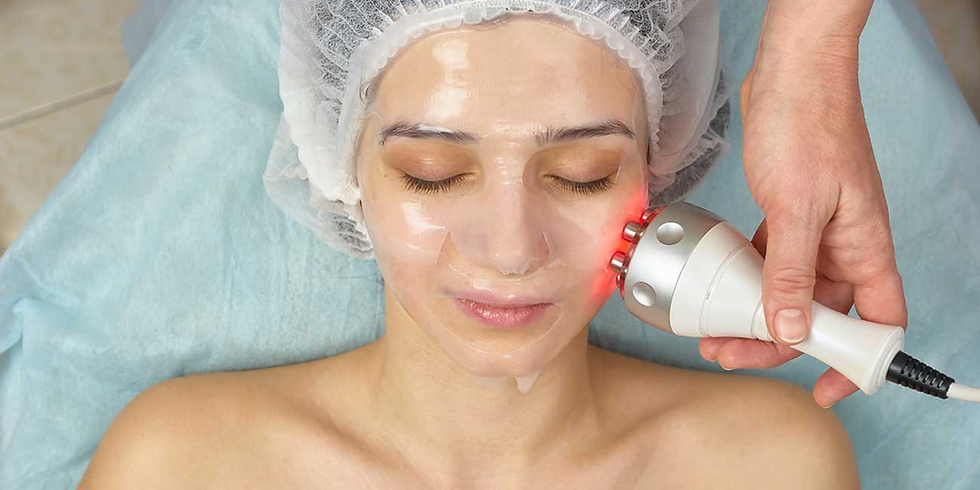
How Does Skin Tightening Treatment Stimulate the Skin?
Many skin-tightening approaches work by delivering controlled energy into targeted layers of tissue. Depending on the technology, the energy may be radiofrequency, ultrasound, laser-based, or another form of controlled thermal stimulation.
The treatment is carefully directed toward specific tissue depths rather than affecting the entire skin surface equally. Controlled heating can influence collagen fibers and the surrounding tissue environment, while the skin responds through its natural repair and remodeling processes.
The exact mechanism varies according to the technology used, energy settings, treatment area, and individual skin characteristics.
What Happens to Collagen During Treatment?
Collagen is one of the main proteins responsible for the skin's structural framework. Controlled thermal stimulation can cause existing collagen fibers to contract to varying degrees while also triggering biological signals associated with collagen remodeling.
Over time, the skin's repair mechanisms may contribute to changes in collagen organization and production. This process is different from simply pulling or mechanically stretching the skin because the treatment works through biological changes within the targeted tissue.
The collagen response generally involves:
Controlled stimulation: Energy reaches a selected tissue depth.
Thermal response: Targeted tissue experiences carefully controlled heating.
Remodeling: Existing collagen undergoes structural changes.
Regenerative activity: The skin's natural repair processes support longer-term tissue remodeling.
Does Skin Tightening Affect the Surface of the Skin?
Not every skin-tightening procedure works primarily on the surface. Many technologies are designed to reach deeper layers where connective tissue and collagen are located.
This distinction is important because skin laxity is not solely a surface-level concern. The treatment method must be selected according to the depth and type of tissue being addressed. Some technologies may also have effects on skin texture, depending on their mechanism and application.
Which Factors Influence How It Works?
Skin-tightening treatment does not operate identically for every person. Several factors can influence the biological response and the way the skin reacts to treatment.
Important considerations include:
Age and natural skin elasticity
Degree and location of laxity
Skin thickness and tissue characteristics
Treatment technology
Energy level and delivery method
Number and spacing of treatment sessions
Previous aesthetic treatments
Individual collagen response
A proper assessment helps determine whether the selected approach is appropriate for the specific area being treated.
Where Can Skin Tightening Be Used?
Skin-tightening techniques may be considered for different areas where reduced firmness is noticeable. Facial applications can focus on regions such as the jawline, cheeks, or neck, while body treatments may target areas with mild to moderate laxity.
The treatment plan should account for the anatomical characteristics of each area because skin thickness, tissue depth, and movement vary throughout the body.
What Is the Difference Between Skin Tightening and Skin Lifting?
Skin tightening focuses primarily on improving the firmness and structural quality of the skin through controlled stimulation and tissue remodeling. A surgical lift, in contrast, physically repositions and removes tissue.
Non-surgical skin-tightening approaches therefore work through biological stimulation rather than surgical alteration of the skin and underlying structures.
Is Skin Tightening Suitable for Everyone?
Suitability depends on the condition of the skin, the degree of laxity, the treatment area, and the technology being considered. A professional assessment is important before treatment, particularly when laxity is significant or when other skin concerns are present.
An evaluation can also help distinguish skin laxity from concerns such as excess tissue, changes in facial volume, or alterations in underlying structures.
Frequently Asked Questions
How does Skin Tightening Treatment work?
Skin Tightening Treatment generally uses controlled stimulation, often through energy-based technology, to influence deeper tissue and support collagen remodeling. The precise mechanism depends on the treatment technology.
Does skin tightening stimulate collagen?
Many non-surgical skin-tightening technologies are designed to stimulate processes associated with collagen remodeling. The extent of this response varies according to the technology and individual tissue characteristics.
Which areas can be treated with skin tightening?
Depending on the technique, skin tightening may be used on areas such as the face, jawline, neck, abdomen, arms, and other body regions where skin laxity is present.
How is skin tightening different from a surgical lift?
Skin tightening generally works by stimulating tissue and supporting collagen remodeling without surgically removing or repositioning skin. A surgical lift involves direct alteration and repositioning of tissue.
Conclusion
Skin Tightening Treatment works primarily by applying controlled stimulation to targeted tissue and encouraging processes involved in collagen remodeling. Understanding the role of collagen, tissue depth, treatment technology, and individual skin characteristics can help people in Dubai make more informed decisions about whether this approach fits their skin concerns.


Comments