


How Does Pico Laser Treatment Target Skin Pigment?
- Bisma Jamal
- Aug 4
- 4 min read

Understanding How Does Pico Laser Treatment Target Skin Pigment can help explain why this laser technology is used for concerns such as uneven skin tone, sun spots, and certain forms of pigmentation. Dynamic Clinic provides information about advanced aesthetic procedures, including Pico Laser Treatment in Dubai, where treatment selection depends on the type and depth of pigmentation being assessed.
What Happens When Pico Laser Meets Pigment?
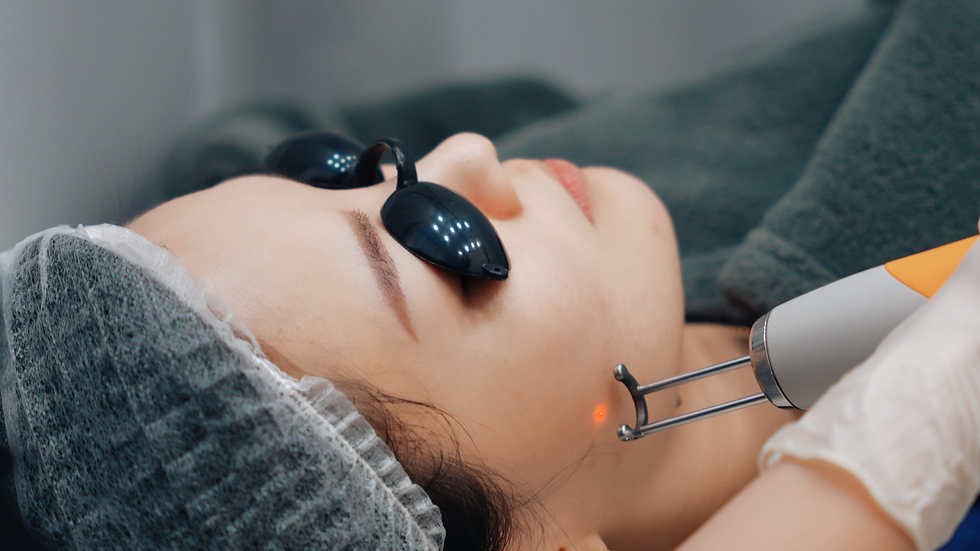
Pico laser technology delivers very short pulses of laser energy, measured in picoseconds. Instead of relying mainly on prolonged heating, these rapid pulses create a strong photomechanical or photoacoustic effect within targeted pigment. Melanin, the natural pigment responsible for skin and hair color, absorbs the selected laser wavelength and responds to the concentrated energy.
The pigment particles can be fragmented into much smaller particles, allowing the body's natural clearance processes to gradually remove the disrupted pigment. The surrounding skin is targeted as precisely as possible based on the selected wavelength, pulse duration, and treatment settings for the pigmentation concern.
Why Does Laser Wavelength Matter?
Different types of pigmentation can occur at different depths and have different characteristics. Pico laser systems may use different wavelengths to interact with pigment at specific levels within the skin.
Treatment planning can therefore consider:
Pigment depth: Whether pigmentation is closer to the surface or located deeper in the skin
Pigment type: Such as sun-related pigmentation or other localized dark spots
Skin tone: Melanin levels in surrounding skin can influence laser selection
Treatment area: Facial and body areas may require different settings
Laser parameters: Pulse energy and wavelength influence how pigment absorbs the laser
This selective approach is important because the objective is to interact with unwanted pigment while limiting unnecessary energy exposure to surrounding tissue.
How Is Melanin Affected by Pico Laser Energy?
Melanin acts as a chromophore, meaning it can absorb particular wavelengths of light. When the appropriate wavelength reaches pigmented areas, the energy is preferentially absorbed by melanin-containing structures.
With pico laser pulses, the extremely brief duration helps produce a rapid mechanical effect on pigment. The pigment is fragmented rather than being treated through continuous heating. These microscopic pigment fragments can then be processed by the body's normal biological mechanisms.
This process is particularly relevant when treating localized pigmentation because the laser can be adjusted to address specific pigment characteristics rather than applying the same energy uniformly across the entire skin surface.
Does Pico Laser Target the Whole Skin?
Pico laser treatment is designed to target specific chromophores and areas rather than treating every skin structure in the same way. The selected wavelength determines which components of the skin are more likely to absorb the delivered energy.
For pigmentation concerns, the main target is melanin. However, the response depends on factors such as:
The concentration of melanin
The location of the pigment
The depth of pigmentation
Individual skin characteristics
The wavelength and pulse settings used
A qualified practitioner evaluates these factors before determining whether pico laser technology is appropriate for a particular pigmentation concern.
What Types of Pigmentation Can Be Considered?
Pico laser technology may be considered for several forms of unwanted pigmentation, depending on the individual's skin characteristics and clinical assessment. These may include certain sun-induced dark spots, uneven pigmentation, and other localized areas of excess melanin.
Not every dark mark has the same underlying cause. Pigmentation can be influenced by sun exposure, hormonal changes, inflammation, skin injury, medications, or other dermatological conditions. Identifying the nature of the pigmentation is therefore an important part of treatment planning.
How Does Pico Laser Support More Even-Looking Skin Tone?
When excess pigment is selectively fragmented, the affected area can gradually appear less concentrated as the disrupted pigment is cleared. This can help create a more uniform appearance between pigmented and non-pigmented areas.
The outcome depends on the biological characteristics of the pigmentation and how the skin responds to treatment. A realistic assessment focuses on the specific pigment concern rather than assuming that every type of discoloration responds in the same way.
What Makes Pico Laser Different From Traditional Laser Approaches?
The defining feature of pico laser technology is its extremely short pulse duration. Conventional laser approaches may rely more heavily on thermal interaction, while picosecond technology is designed to deliver energy in very brief pulses that can produce a stronger mechanical effect on pigment.
This distinction does not mean that one laser technology is universally suitable for every pigmentation problem. Wavelength, pulse duration, energy level, skin type, and the nature of the pigment all influence treatment selection.
Frequently Asked Questions
Does Pico Laser Remove Skin Pigment?
Pico laser can fragment targeted pigment within the skin, after which the body's natural clearance mechanisms process the pigment particles. The response varies according to pigment type, depth, and individual skin characteristics.
How Does Pico Laser Know What Pigment to Target?
The laser does not independently identify pigment. The practitioner selects an appropriate wavelength and treatment parameters based on the pigmentation being assessed. Melanin absorbs specific wavelengths, allowing energy to interact preferentially with pigmented structures.
Is Pico Laser Suitable for Every Skin Type?
Suitability depends on individual skin characteristics, pigmentation type, treatment area, and the selected laser parameters. A professional assessment is important before treatment, particularly for people with higher levels of natural melanin.
Can Pico Laser Treat Deep Pigmentation?
Pico laser technology can be used with different wavelengths designed to reach varying depths within the skin. Whether it is appropriate for deeper pigmentation depends on the specific diagnosis and clinical assessment.
Conclusion
Pico laser treatment targets skin pigment through precisely delivered, ultra-short laser pulses that interact with melanin. The resulting photomechanical effect can fragment concentrated pigment while treatment parameters are selected according to pigmentation depth, skin characteristics, wavelength, and treatment area. Understanding this mechanism helps explain why proper assessment and individualized laser settings are central to pigmentation-focused treatment.


Comments