


How Does a Chemical Peel Improve Uneven Skin Texture?

A chemical peel is a skincare treatment that uses carefully selected acids to exfoliate the skin and improve its texture, tone, and clarity. For people exploring Chemical Peel in Dubai, understanding the treatment process can help them make informed decisions about their skincare needs. Dynamic Clinic in Dubai provides a setting where individuals can explore professional skin treatments based on their concerns and skin condition.
What Is a Chemical Peel?
A chemical peel is a professional exfoliation procedure that applies a chemical solution to the skin to loosen and remove damaged outer cells. Depending on the formulation and depth of treatment, it may target surface dullness, uneven pigmentation, mild acne, or the appearance of fine lines.
Unlike daily exfoliating products, professional peels are selected according to the skin's condition and the results a person hopes to achieve. Some treatments work mainly on the outermost skin layer, while others reach deeper layers under professional supervision.
Chemical peels are commonly used on the face, although certain formulations may also be suitable for the neck, chest, or other areas. The appropriate treatment depends on the skin's sensitivity, medical history, and tendency to develop pigmentation.
How Does a Chemical Peel Work?
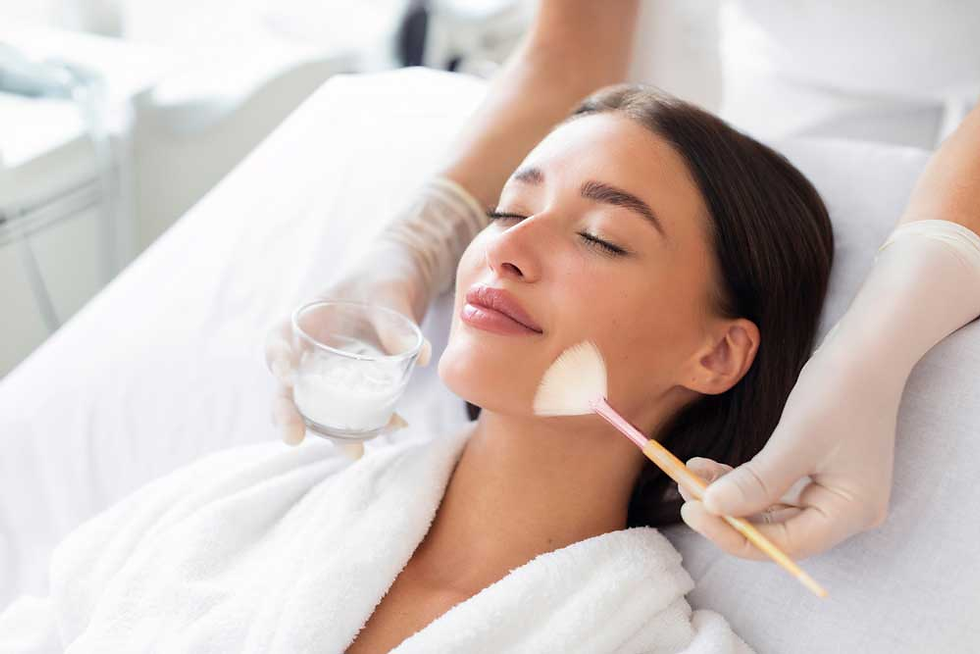
Chemical peels work by using exfoliating ingredients that weaken the bonds between dead skin cells. This encourages the shedding of surface cells and supports the skin's natural renewal process.
The treatment generally follows these stages:
Skin assessment: The skin is examined to identify concerns such as acne, dark spots, rough texture, or uneven tone.
Cleansing: The treatment area is cleaned to remove oil, makeup, and impurities that may interfere with the application.
Chemical application: A suitable solution is applied for a controlled period, depending on its ingredients and strength.
Controlled exfoliation: The solution loosens dead skin cells and produces a planned level of exfoliation.
Aftercare: The skin is managed according to the treatment depth, with moisturising and sun protection playing important roles.
Following a peel, the skin may appear smoother or brighter as the treated surface sheds. Deeper changes, such as improvements in certain pigmentation concerns or fine lines, can require several treatments and depend on the individual's skin response.
Which Ingredients Are Used in Chemical Peels?
Different acids have different properties. The ingredient, concentration, pH, contact time, and formulation all influence how a peel affects the skin.
Glycolic Acid
Glycolic acid is an alpha hydroxy acid (AHA) often used to address dullness, rough texture, and uneven skin tone. Its small molecular size allows it to penetrate the skin effectively, so treatment strength must be selected carefully.
Salicylic Acid
Salicylic acid is a beta hydroxy acid (BHA) that can help clear excess oil and dead skin cells from within pores. It is often considered for oily or acne-prone skin, although active irritation and individual sensitivities must be assessed.
Lactic Acid
Lactic acid is another AHA that supports surface exfoliation. Depending on the formulation, it may be considered for mild uneven texture and dullness, including in some people who need a gentler approach.
Trichloroacetic Acid (TCA)
TCA is used in certain medium-depth peels to address selected concerns, including pigmentation irregularities and fine lines. It requires careful professional assessment because deeper exfoliation carries a greater risk of irritation, prolonged healing, and changes in skin pigmentation.
What Skin Concerns Can a Chemical Peel Address?
Chemical peels may help improve several common skin concerns when the treatment is appropriate for the individual.
Uneven skin tone: Exfoliation can help reduce the appearance of some superficial pigmentation irregularities.
Acne-prone skin: Selected formulations may help manage clogged pores and excess dead skin cells.
Rough texture: Removing accumulated surface cells can make skin feel smoother.
Dull complexion: Surface exfoliation may improve the appearance of brightness.
Fine lines: Certain peels may soften the appearance of mild lines, depending on their depth and the condition being treated.
Results vary according to skin type, the underlying cause of the concern, treatment strength, and aftercare. Chemical peels may not be suitable for every pigmentation condition, and some problems require a different treatment approach.
How Do You Know Which Chemical Peel Is Suitable?
Chemical peels are generally grouped into superficial, medium-depth, and deep treatments. Each category differs in how far the solution penetrates and how much recovery is required.
Superficial peels: Target the outermost skin layer and usually involve less downtime.
Medium-depth peels: Reach further into the skin and may require several days or longer for recovery.
Deep peels: Affect deeper skin layers, involve more substantial healing, and require strict medical supervision.
A qualified professional should consider skin tone, sensitivity, previous reactions, current skincare products, and any history of cold sores or abnormal scarring. People with darker skin tones may face a higher risk of post-inflammatory hyperpigmentation with certain peels, making careful selection particularly important.
What Should You Expect During Recovery?
Temporary redness, tightness, dryness, sensitivity, and peeling may occur after a chemical peel. The intensity and duration depend on the formulation and treatment depth. Not everyone experiences visible peeling, and a lack of flaking does not necessarily mean the treatment has failed.
To support skin recovery:
Use a gentle cleanser and a suitable moisturiser.
Apply broad-spectrum sunscreen with SPF 30 or higher.
Avoid picking, rubbing, or pulling away peeling skin.
Pause retinoids, exfoliating acids, and other potentially irritating products as directed by the treating professional.
Avoid excessive heat and activities that aggravate skin irritation until advised that they are safe.
Severe pain, blistering, increasing swelling, discharge, or worsening redness should prompt medical assessment. Following personalised aftercare instructions helps reduce the risk of complications.
Who Should Avoid or Delay a Chemical Peel?
A chemical peel may need to be postponed or avoided in people with active skin infections, open wounds, significant irritation, or certain skin conditions. Recent use of particular acne medicines, a history of poor wound healing, and a tendency to develop keloid scars may also affect suitability.
Pregnancy, breastfeeding, and other health circumstances should be discussed with a qualified healthcare professional before treatment. Anyone with a history of cold sores should mention it during the consultation because procedures around the mouth can sometimes trigger an outbreak.
Conclusion
A chemical peel works by using controlled chemical exfoliation to remove damaged surface cells and encourage skin renewal. The right formulation can help address concerns such as dullness, uneven texture, clogged pores, and selected pigmentation changes. Understanding the differences between peel ingredients, treatment depths, potential risks, and recovery requirements allows individuals to make more informed skincare decisions. Professional assessment and consistent sun protection remain important parts of a safe treatment plan.


Comments